For general users: it is recommended that it should be serviced after
6 to 12 months of use. If it is to be used in industrial systems it may require more
frequent checks.
We offer revolution of industrial engineering


How to Maintain and Care for Power Tools: A Full Guide to Long-Lasting Performance
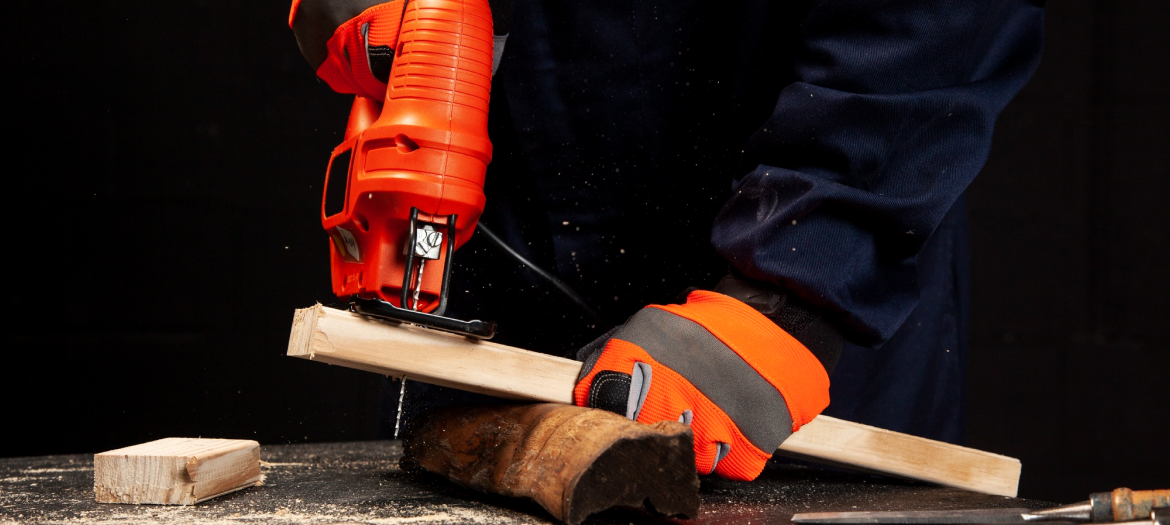
Power tools represent a worthy investment for professionals, workshops, and occasional users. Whether the drill, grinder, saw, or whatever other kind of equipment one uses daily or every other month, proper care is important for many reasons. The fact is that people have bombarded the internet with queries such as “how to maintain power tools,” “how to increase tool life,” and “power tool care tips.” This guide answers all those important questions in one place. With correct methods of maintenance, one will not only ensure the durability of their tools but also reduce costs related to repairs and enhance work quality. Maintenance goes beyond issues related to cleanliness. It has a direct bearing on performance, safety, and longevity.
Important benefits of keeping power tools maintained
- Longer tool life
- Improved performance and accuracy
- Lower risk of accidents
- Reduced costs of repairing and replacing
- Regular productivity at work locations and workshops
- Failure to maintain it can cause overheating, loss of power, electrical issues, and at times, serious injury to users.
1. Clean Your Power Tools After Each Use
"How to clean power tools effectively" is one of the most searched questions. Dust, debris, or grease is the biggest enemy of power tools.
How to Properly Clean Power Tools
- Unplug the tool or take out the battery
- Wipe off accumulated dust using a soft, dry cloth or a gentle cleaning brush.
- Compressed air helps to clean air vents and difficult spots
- Avoid using water on electric components directly
- This is achieved through cleaning, which prevents dust from accumulating and resulting in overheating.
2. Regularly Check the Condition of Your Tools
There are many users searching for "signs power tools need repair." Regular checks will ensure early detection of any problem.
What to Check during an Inspection
- Power cords for cuts or exposed wires
- Battery condition and charging problems
- Loose screws, bolts, or guards
- Cracks in the housing or handles
In case of unusual sounds, vibration, or sparks, discontinue its usage and have it checked.
3. Lubricate Moving Parts Properly
Lubrication is very often neglected, although it has an important function.
Why Lubrication Matters
- Reduces friction and wear
- Prevents overheating
- Facilitates Smooth Operations
It is always important to use the recommended manufacturer lubricant and prevent over-lubrication, which could attract dust.
4. Storing Power Tools the Correct Way
How-to searches, for instance, “how to store power tools,” are frequently performed, mainly by owners of workshops.
- Best Storage Practices
- Store your tools in a dry, dust-free environment
- Use tool boxes, racks, or wall mounts
- Try not to expose the tools to water or high temperatures.
- Keep tools out of reach of children
Storing it properly helps avoid rusting, electrical problems, and accidental damage.
5. Taking Care of Batteries Used in Cordless Power Tools
With advancements in cordless power tools, "how to keep power tool batteries" has also become a high-volume search.
Maintenance Tips for Batteries
- Don’t overcharge batteries
- Do not entirely discharge lithium-ion batteries
- Store Batteries at Room Temperature
- Use only compatible chargers
Well-maintained batteries allow for a consistent power level, with batteries lasting substantially longer.
6. Choose the Correct Tool for Each Task
One of the causes of the failure of many tools is misuse.
Why Proper Usage Matters
- Protects against motor overload
- Reduces wear and tear
- Ensures safer operation
For instance, if one decides to employ a light drill for industrial work, it could end up damaging the motor beyond repair.
7. Replace Worn-Out Parts on Time
Users usually search for “when to replace power tool parts.”
Components to Be Replaced Periodically-Relevance to
- Drilling bits and cutting blades
- Carbon brushes
- Grinding discs and sanding pads
Worn accessories impair efficiency and are hazardous to use
8. Follow Manufacturer Guidelines
Every power tool has its manual that most people often ignore. The manuals offer:
- Repairs and maintenance
- Use of this equipment
- Recommended spare parts
To stay within the warranty period and to obtain the best performance, it is imperative to follow the manufacturer's instructions
9. Schedule Professional Servicing
Though basic maintenance services can be carried out at home or by a workshop, expert services are a must.
When to Get Professional Service
- Lower power output
- Burning Smell or Overheating
- Electrical faults
- Unnecessary noise or vibration
Regular servicing is one way to diagnose internal problems before they become expensive repairs.
10. Safety Precautions While Using Power Tools
Safety search queries have very high search volumes, and it is imperative for them to be answered.
Major Safety Guidelines
- Disconnect the tool from its power source before starting any
- cleaning, inspection, or maintenance tasks.
- Wear gloves and safety glasses
- Do not open sealed electrical components
- Use Genuine Spare Parts Only
Safe Maintenance is a protective measure for the person performing the work as well as the equipment.
Frequently Asked Questions Regarding Power Tool Maintenance
-
How frequently should power tools be maintained?
-
Can poor maintenance affect tool performance?Yes. The accumulation of dust, worn-out parts, and the absence of lubrication contribute substantially to low efficiency and power.
-
Do costly tools require maintenance?Absolutely. Good quality tools have a long lifespan only when well-maintained.